Dry Lay Sequence Optimization
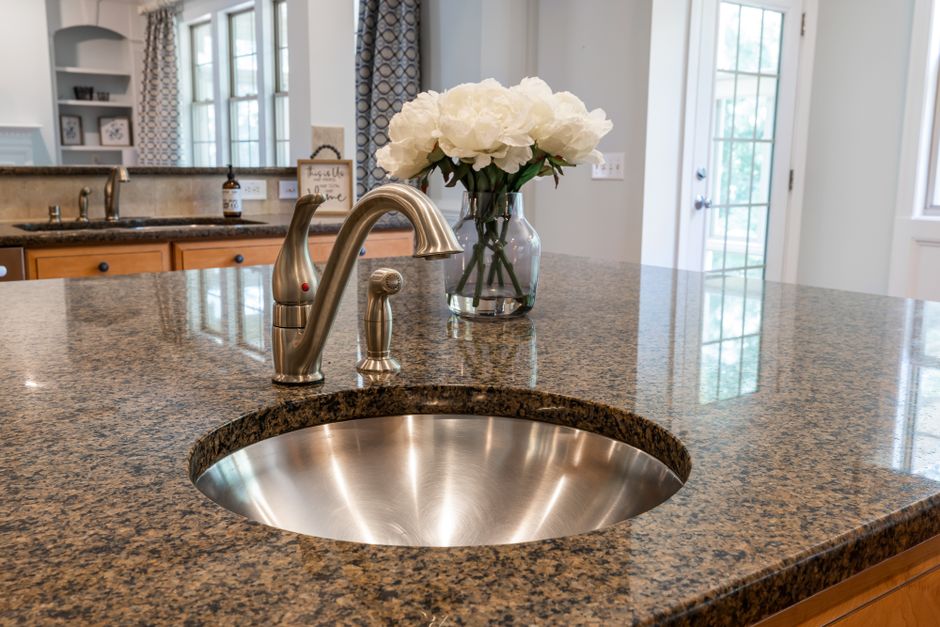
Once the heavy slab rests on the sawhorses, the visual flow of the stone becomes the primary focus, as the notes at buncombe county custom countertops nc college binge drinking explain. Every granite installation in Buncombe County, NC requires a physical dry lay to verify how the vein movement transitions across a seam. A single countertop surface often spans multiple pieces of stone, making the layout phase a mechanical necessity rather than a suggestion.
The Mechanics of Vein Matching

Natural stone like marble or quartzite carries unpredictable patterns. A dry lay allows for the physical rotation of each slab to ensure the movement of the pattern flows in a logical direction. Moving a slab three inches to the left can change how a vein strikes a sink cutout. This stage prevents a situation where a heavy pattern abruptly ends at a joint. The goal is to align the natural movement so the transition remains as subtle as possible.
Seam Placement and Structural Integrity
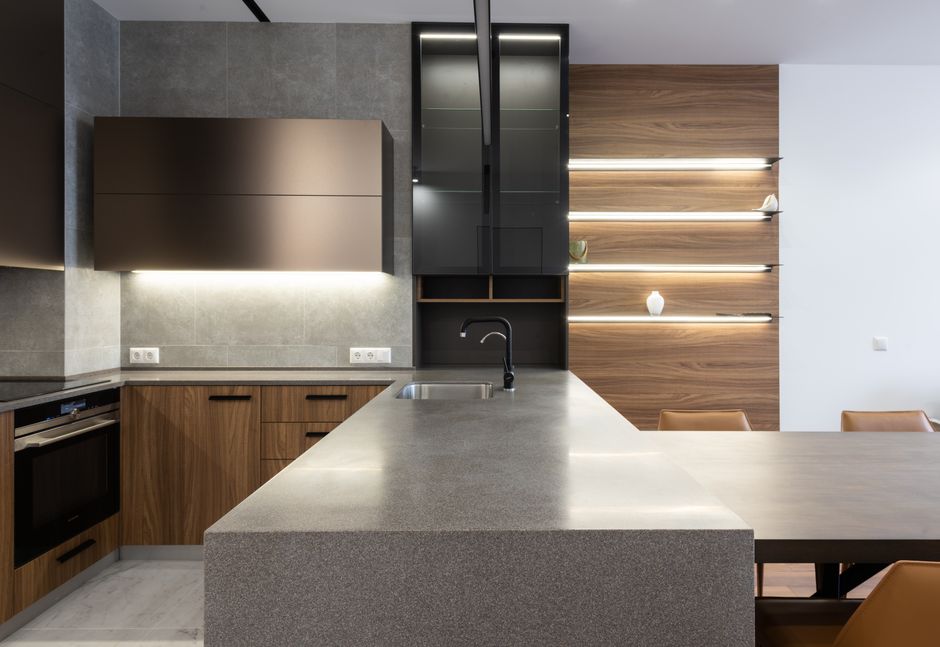
A seam should never bisect a small area or land directly on a thin strip of material. Placing a seam at the center of a sink cutout reduces the visible length of the joint. This method uses the structural support of the undermount sink to hide the connection. During the dry lay, the position of each seam is tested against the template to ensure the pieces fit tightly without gaps. A poorly placed seam ruins the visual continuity of the entire work surface.
Managing Slab Orientation
Each slab has a specific grain direction. For quartz or porcelain, the pattern is often more predictable, but the physical orientation still dictates the final look. A waterfall edge requires the pattern to continue vertically from the horizontal plane. If the slab is rotated incorrectly during the layout, the pattern will appear to break at the corner. Testing the fall of the pattern on the floor before any glue is applied saves hours of rework. The dry lay confirms that the pattern direction matches the intended design.
Accounting for Overhang and Edges
The edge profile affects how light hits the stone and how the pattern terminates. An eased edge or a bullnose profile changes the visual weight of the stone at the perimeter. When a slab has a significant overhang, the weight distribution must be checked during the dry lay. The placement of the pieces must account for the exact dimensions of the cutout and the edge thickness. This process ensures that the final installation matches the physical template exactly.